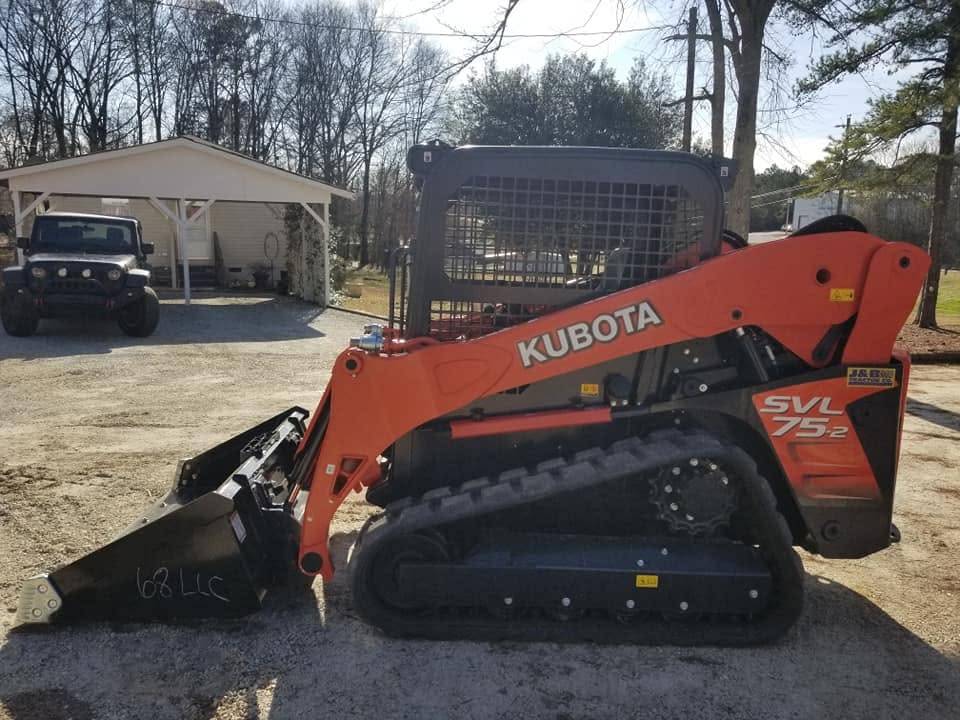
Rent a mini excavator or hire a contractor? Rent when the job is small, the ground is open and you can learn a machine. Hire a contractor when the dig is deep, close to your house or tied to drainage. A mini excavator is a compact digging machine on tracks with a swinging bucket arm. A careful owner can handle a short trench, but costly or unsafe digs call for an experienced crew.
For most people, the machine itself is the easy part to figure out. The controls take practice, but the harder part is knowing where to dig, how deep and where the dirt goes. Digging the hole is also only half the work. Trenches need backfill and packing, and extra dirt has to be spread out or hauled away. Planning the whole job from start to finish gives you a truer picture of what renting really takes.
Plan for more dirt than the hole seems to hold, because dug soil fluffs up. Federal highway guidance says 1 cubic yard from the ground can fill about 1.25 cubic yards in a truck. That loose dirt shrinks again when it is packed back in, so a trench filled loosely can sink later. Knowing this helps you plan pile space, trailer loads and backfill before rental day.
Should I Rent an Excavator for This Size of Job?
Mini excavators come in sizes from about 1 to 8 metric tons. Smaller machines fit tight backyards, narrow gates and work close to buildings. Larger ones dig deeper and lift more, but they need more room and a heavier trailer. A short drain trench or a few post or stump holes suits a small rental well. A long trench, a building pad or a pond takes more days, more skill and often more than one machine.
Site conditions change the answer as much as job size does. Soft or wet ground can bog a machine down, and side slopes raise the risk of tipping over. Buried rock, big roots and old concrete slow digging and wear out a new operator fast. Open, firm, level ground is where a rented machine is easiest to run. Tight spaces near the house, fences and driveways leave little room for a beginner's error.
Gate Width and Getting the Machine In
Measure your gate and the full path the machine must travel before you rent. Some models have tracks that pull in to fit narrow openings. A zero tail swing model keeps its back end inside the tracks as it turns, which helps near walls. Check the route for soft lawn, low branches and overhead wires that could get in the way.
- A short trench or a few holes on open, mostly level ground
- A gate and path wide enough for the machine to reach the work
- Shallow digging where no one has to climb down into the trench
- Time to learn the controls before working near anything that could break
What an Excavation Contractor Checks Before the First Dig
A contractor starts with what is under the ground and where water will go after the work. That means calling Georgia 811 to have buried utility lines marked, then planning around them. The crew looks at soil type, since clay, fill and rock dig and settle differently. They set the depth and slope of trenches or pads so water drains the right way. They also plan where the dirt goes: spread on site, used as fill or hauled off.
These checks matter because the most costly mistakes are the ones you cannot see right away. A trench with the wrong slope can hold water instead of carrying it away. Loose backfill can sink later and leave a dip in the yard or driveway. A cut too close to a footing or slab can weaken the soil that holds it up. Fixing these problems later can take more time and money than the original dig.
- Where buried power, gas, water and cable lines run across the property
- Whether the soil is red clay, loose fill or rock close to the surface
- How deep and how sloped a trench must be to drain properly
- Where extra dirt will go and whether it needs hauling off the site
DIY Excavation or Hire a Pro: Safety Limits to Know
Trenches are where home digging projects turn dangerous. For work crews, OSHA requires shoring, a trench box or sloped walls in trenches 5 feet deep or more. Cave-ins are the top danger in trench work, and soil can collapse without warning. Never step down into a deep trench that has no protection, even for a moment. Keep the dirt pile at least 2 feet back from the edge so it cannot slide back in.
Georgia law adds one more rule for everyone, homeowners included. You must contact Georgia 811 at least three business days before you dig, and the service is free. Utility companies then mark their buried lines with colored paint or flags. Within 18 inches of either side of a mark, dig by hand, not with the machine. Lines that utility companies do not own, such as a power line to your shop, may not get marked.
Plan the Dig Before Rental Day
A little planning ahead keeps your rental day safe, productive and on track. Walk the site first, and mark your dig area with white paint or flags, as Georgia 811 asks. Wait until every utility has responded to your ticket before any digging starts. Keep kids, pets and helpers well clear of the swing area whenever the machine is running.
- Your Georgia 811 ticket number and the date every utility responded
- A plan for where the spoil dirt goes and how it gets moved off site
- A backup plan for rain days, since wet red clay is slick and hard to dig
A Mini Excavator for Homeowners Works Best on Simple Jobs
Renting makes sense when the job is shallow, the ground is open and the stakes are low. Think of a drain line trench, a few fence post holes or digging out a small stump. Hire a contractor for deep trenches, steep slopes, work near a footing or the final grade around your home. If you are unsure, get an estimate and compare it to your own time on a rental. You can also split the job: hire out the tricky part and rent for the rest.
The right choice depends on the job in front of you, not on the machine. Small, open and shallow work suits a rental and a careful, patient owner. Deep, tight or grade-critical work around a home suits an experienced crew with the right tools. Either way, start the same way: call Georgia 811, plan where the dirt goes and put safety first. A clear plan up front saves you time, money and wear on your yard.
Need a Mini Excavator or a Crew for Your Dig?
Weather Tech Roofing rents mini excavators to the public and also handles grading and site work for homes and businesses. Call us for rental rates and availability, or request a free estimate to have our team do the digging.